
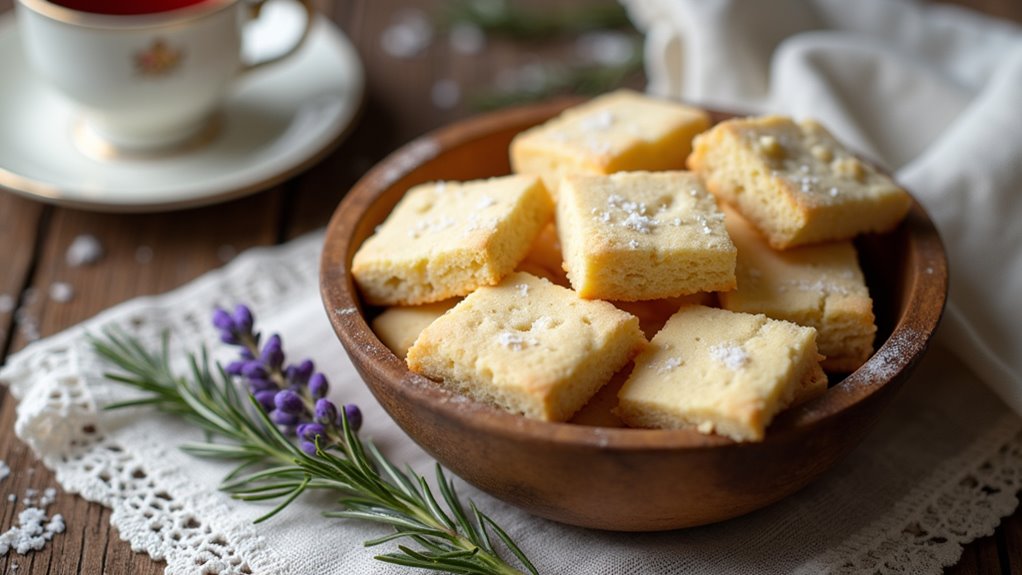
I often find myself daydreaming about the buttery goodness of Scottish shortbread. It’s the sort of treat that makes you feel cozy inside, like a warm blanket on a chilly day. With just three ingredients—softened butter, sugar, and flour—you’d think it’s simple, right? But let me tell you, there’s a little magic in the mixing. Curious about how to master this delightful snack? Stick around, because the secret lies in the steps we often overlook.
Why You’ll Love This Recipe
When you take that first bite of Scottish shortbread, it’s like being wrapped in a warm, buttery hug—seriously, is there anything better?
You’ll love this easy traditional shortbread recipe because it’s so simple yet somehow feels fancy. The buttery goodness just melts in your mouth.
I remember the first time I made it; I thought I’d messed up when the dough looked crumbly, but it turned out perfect. Sneaking a piece before it cooled was my greatest victory.
Plus, who wouldn’t want to impress friends with a classic Scottish recipe? It’s perfect for tea time or just a cozy night in.
You’ll find yourself making this over and over—trust me, once you try it, you’ll adore it.
Equipment List
Making Scottish shortbread is a joy that’s made even easier with the right equipment. First up, you’ll need a sturdy mixing bowl—trust me, a flimsy one won’t cut it when you’re creaming that butter and sugar.
A wooden spoon works wonders, too. Don’t forget a reliable measuring cup; precision is key here. A digital kitchen scale can greatly enhance your measuring accuracy, ensuring perfect results every time.
A flat baking pan is essential for that perfect shape, and I prefer to line it with parchment paper for easy lifting later.
A fork’s also on the list for those charming little pricks and scores.
Finally, an oven mitt will save your hands from regrettable moments.
Our Ingredients
When it comes to making Scottish shortbread, the right ingredients make all the difference. It’s that combination of quality butter, flour, and sugar that gives shortbread its rich, melt-in-your-mouth texture.
And let’s be honest—who doesn’t want their treats to offer that delightful crumbly goodness? Before we get into the fun of mixing and baking, let’s take a peek at what’s needed to whip up this classic treat.
Don’t worry, baking is an adventure, and I promise it will be worth it when the aroma fills your kitchen.
Ingredients:
- 1 cup (225g) salted butter, softened
- ½ cup (100g) granulated or caster sugar
- 2 cups (250g) all-purpose (plain) flour
- Optional: ¼ tsp salt (if using unsalted butter)
Now, let’s talk about some little considerations regarding these ingredients.
First, quality butter really does make a significant impact on the flavor of your shortbread; aim for the kind that you’d enjoy slathering on fresh bread.
As for the flour, all-purpose works just fine, but if you stumble across a specialty flour while on a shopping adventure, why not give it a try?
And don’t shy away from granulated sugar if caster sugar is out of reach—both will do the trick for sweetening things up.
Just keep your measuring cups handy, and remember, precision and patience are key in this irresistible journey to baking bliss.
Happy baking!
Step-by-Step Instructions
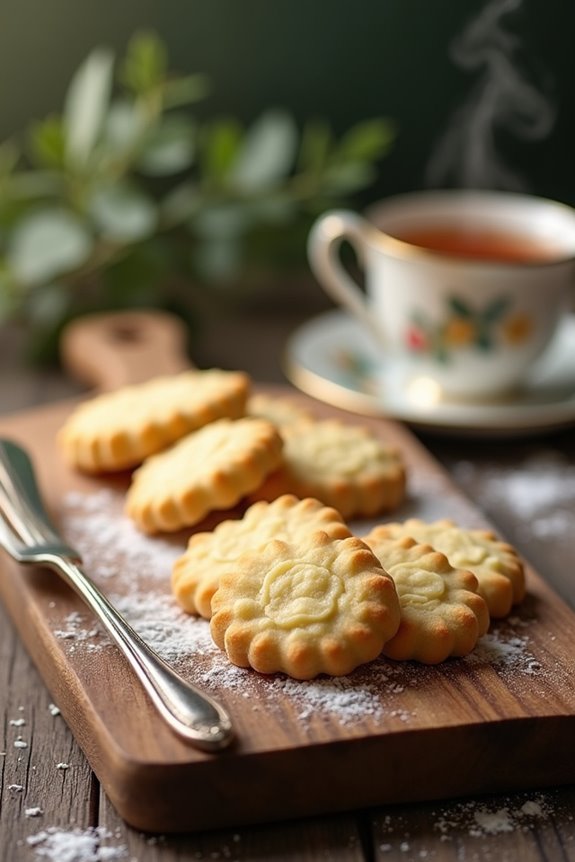
Making Scottish shortbread is incredibly satisfying, and trust me—mixing the batter is quick and simple. Just follow these easy steps, and soon you’ll have a delicious treat that’s perfect for any occasion. Ready to begin this buttery adventure? Let’s plunge in!
Step-by-Step Instructions
- Preheat your oven to 325°F (160°C). You want that warm, inviting heat ready to work its magic while you mix your ingredients.
- Cream together 1 cup (225g) of softened salted butter and ½ cup (100g) of granulated or caster sugar in a mixing bowl. Use a hand mixer or a wooden spoon—whatever you have on hand. Mix until you achieve a smooth and fluffy texture. This is where the magic begins, as the butter and sugar create that rich flavor foundation.
- Gradually add in 2 cups (250g) of all-purpose flour to your buttery mixture. If you’re feeling fancy and are using unsalted butter, go ahead and toss in that optional ¼ teaspoon of salt too. Mix slowly until the flour is just combined—it should still look a little crumbly. Don’t overwork the dough; we want it to be tender, not tough!
- Press the dough evenly into a greased or parchment-lined baking pan. Aim for about ½ inch thick. At this point, you can feel like an artist, molding your dough into a beautiful masterpiece.
- Prick the dough with a fork—this isn’t just for decoration; it helps the shortbread to cook evenly. Once you’ve got it all forked up, score the dough into fingers or your chosen shapes using a knife. It’ll make cutting it later a breeze.
- Bake the shortbread for 30-40 minutes or until it’s pale golden brown. Keep an eye on it towards the end, because, as I’ve learned the hard way, you definitely don’t want burnt edges on your shortbread.
- Cool completely before cutting into pieces. Patience is key here; I know it’s tempting to plunge right in, but let it cool so you can achieve that perfect slice without crumbling. A little waiting goes a long way in the world of baking.
And there you have it! Beautiful, crumbly Scottish shortbread, just waiting for a cup of tea. Enjoy the sweet smell wafting through your kitchen as you watch your creation transform from mere ingredients into a delightful treat that everyone will adore. Plus, having premium baking equipment can elevate your baking experience and ensure even better results!
Tips & Variations
After you’ve enjoyed the satisfaction of baking those lovely shortbread cookies, it’s time to think outside the box. Ever considered adding a twist? I love tossing in a hint of vanilla or lemon zest for a fresh zing.
And if you’re feeling adventurous, try folding in some chocolate chips. Trust me, they might just become your new favorite!
Don’t forget about texture; instead of just a classic shape, use cookie cutters for fun designs that kids will adore.
If you love nuts, finely chopped pecans or almonds can add a delightful crunch. Just remember—don’t overwork the dough. It’s not a workout; it’s shortbread!
How to Serve?
Serving up your freshly baked Scottish shortbread is where the real fun begins. Imagine this: you’ve just cut the buttery pieces, and they’re waiting for their moment to shine.
I love placing them on a lovely plate, maybe alongside a pot of tea or coffee. It’s such a cozy scene. Want to impress? Dust them with powdered sugar, or even drizzle a bit of chocolate for some flair.
If you’re feeling generous, share them with friends and family. I always enjoy hearing their reactions—it’s bliss! And hey, it’s totally okay to sneak one or two while no one’s watching. Who can resist that perfect crumbly texture?
Trust me, they’ll disappear fast, so grab yours while you can.
Storage & Reheating Guide
Once those buttery pieces of shortbread have made their way to your plate, you might be tempted to eat them all right away. I get it; they’re irresistible.
But if you want to enjoy them later, let’s talk storage. Simply place them in an airtight container at room temperature. They’ll stay fresh for about a week—if they last that long. To further maximize freshness with airtight storage, consider investing in high-quality containers that help preserve the texture and flavor of your treats.
If you’re feeling the urge to hoard a batch, you can freeze them. Just wrap each piece in plastic wrap and put them in a freezer bag.
When you’re ready for a treat, pop them in the oven at 300°F (150°C) for about 10 minutes. Warm shortbread fresh from the oven? Heaven.
Trust me; it’s worth the wait.
Final Thoughts
While making Scottish shortbread might seem like a simple task, I can’t help but feel a little bit like a wizard in the kitchen when those buttery slices emerge from the oven.
It’s magic, really, transforming just a few ingredients into something so comforting and delicious. I love sharing these treats with friends and family, watching their faces light up with the first bite.
Have you ever tried it fresh from the oven? Absolutely heavenly. If you mess up, don’t sweat it; even wizards have their off days.
Just remember to use good butter and take your time mixing. You’ll master the art of shortbread before you know it.